START
Traduction- START
-
Traité de réduction des armes stratégiques
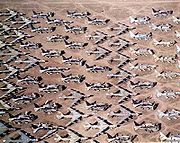
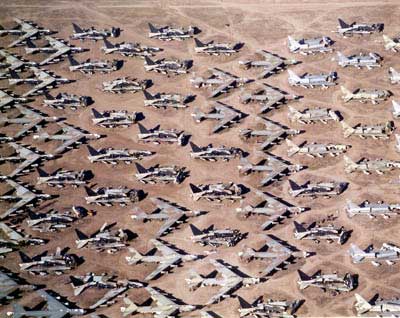
B-52 détruit suite au Traité de réduction des armes stratégiques.
Strategic Arms Reduction Treaty, abrégé en START, (que l'on peut traduire en « Traité de réduction des armes stratégiques ») désigne deux traités américano-soviétiques visant à réduire la totalité des arsenaux nucléaires des deux superpuissances (aussi bien les missiles terrestres que sous-marins et aériens).
Histoire
START fait suite aux Strategic Arms Limitation Talks (SALT), signés par les deux mêmes pays en 1972 et 1979, qui fixaient aux armes stratégiques offensives des plafonds supérieurs aux niveaux que celles-ci avaient atteints : ils autorisaient donc leur développement, mais limité. START vise quant à lui à la réduction de ces armes.
Le premier traité, START I, fut signé en juillet 1991 et entra en vigueur en décembre 1994. Il expire en décembre 2009[1].
À la chute de l'Union soviétique, c'est avec la Fédération de Russie que les États-Unis signèrent START II en 1993. START 2 fut ratifié par les États-Unis en 1996 et par la Russie en 2000. START II prévoit une réduction des arsenaux stratégiques au terme de laquelle chaque partie ne devra pas disposer de plus de 3 500 têtes nucléaires stratégiques.
START II est en principe dépassé en raison des mesures de réduction unilatérales des arsenaux annoncées le 12 novembre 2001 par les présidents russe et américain : SORT abaisse les plafonds de START II. Dans les faits, SORT est une évolution du traité START III de 1997, qui n'a pas eu le temps d'être ratifié. START III devait limiter encore plus le stock d'armes mais aussi empêcher leur réintroduction. Mais SORT semble controversé par rapport à ce que proposait START.
Notes et références
- ↑ (en) Personnel de rédaction, « Bargaining over the bomb », dans The Economist, 18 mai 2009 [texte intégral (page consultée le 19 mai 2009)]
Articles connexes
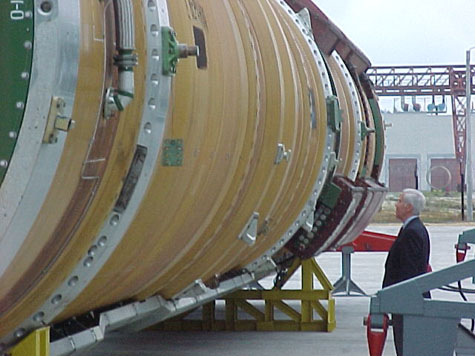
- Fusée Start-1
- Maîtrise des armements
- Négociations sur la limitation des armements stratégiques (SALT)
- Traité de réduction des arsenaux nucléaires stratégiques (SORT)
- Traité sur la non-prolifération des armes nucléaires (TNP)
- Portail du droit
- Portail des États-Unis
- Portail de l’URSS
Catégories : Traité de désarmement | Traité des États-Unis | Traité d'URSS | Traité de Russie | Traité dans le domaine du nucléaire
Wikimedia Foundation. 2010.
Regardez d'autres dictionnaires:
start — 1> начало Ex: from start to finish с начала до конца Ex: a start in life начало жизненного пути Ex: to have a good start in life удачно начать карьеру Ex: to give smb. a start in life помочь кому л. встать на ноги Ex: to give an ex convict a… … Новый большой англо-русский словарь
Start — Take off; Anfang; Aufbruch; Auftakt; Anbruch; Beginn; Geburt; Keimzelle (umgangssprachlich); Startpunkt; Ausgangspunkt; Anschaltung; … Universal-Lexikon
start — 1. noun 1) отправление; начало; to make a start начать; отпра виться; from start to finish с начала до конца; a start in life началокарьеры; to give smb. a start in life помочь кому л. встать на ноги 2) sportстарт 3) преимущество; to get the… … Англо-русский словарь Мюллера
Start — can refer to multiple topics:* Takeoff, the phase of flight where an aircraft transitions from moving along the ground to flying through the air * Standing start and rolling start, in an auto race * Start signal, in telecommunications * Start… … Wikipedia
start — (st[aum]rt), v. i. [imp. & p. p. {started}; p. pr. & vb. n. {starting}.] [OE. sterten; akin to D. storten to hurl, rush, fall, G. st[ u]rzen, OHG. sturzen to turn over, to fall, Sw. st[ o]rta to cast down, to fall, Dan. styrte, and probably also… … The Collaborative International Dictionary of English
Start — (st[aum]rt), v. t. 1. To cause to move suddenly; to disturb suddenly; to startle; to alarm; to rouse; to cause to flee or fly; as, the hounds started a fox. [1913 Webster] Upon malicious bravery dost thou come To start my quiet? Shak. [1913… … The Collaborative International Dictionary of English
Start — Start, n. 1. The act of starting; a sudden spring, leap, or motion, caused by surprise, fear, pain, or the like; any sudden motion, or beginning of motion. [1913 Webster] The fright awakened Arcite with a start. Dryden. [1913 Webster] 2. A… … The Collaborative International Dictionary of English
Start — steht für: den Beginn einer Zeitnahme, oder Anfangsort einer sportlichen Veranstaltung, siehe Start (Sport) das Abheben eines Luftfahrzeuges, siehe Start (Luftfahrt) das Hochfahren eines Computers, siehe Booten Start, Namen: Start (Louisiana),… … Deutsch Wikipedia
start — * * * START acronyme pour l angl. Strategic Arms Reduction Talks, discussions sur la réduction des armes stratégiques menées depuis 1982 (notam. entre les È. U. et l U.R.S.S. en 1987 1988, puis la Russie). * * * start [staʀt] n. m. ÉTYM. 1910;… … Encyclopédie Universelle
Start — Start, n. [OE. stert a tail, AS. steort; akin to LG. stert, steert, D. staart, G. sterz, Icel. stertr, Dan. stiert, Sw. stjert. [root]166. Cf. Stark naked, under {Stark}, {Start}, v. i.] 1. A tail, or anything projecting like a tail. [1913… … The Collaborative International Dictionary of English
START — (st[aum]rt), n. [From Strategic Arms Reduction Treaty.] A Treaty between the United States and the Soviet Union which provided for stepwise reductions in the number of nuclear weapons possessed by each country. [PJC] … The Collaborative International Dictionary of English
Фильмы
- Pages of Starts., 1967 — About the history of sport development in Soviet country.
- 1000 Days Before the Start, 1977 — About preparation of Moscow for the XXIIOlympic Games. Ludmilla Tourischeva (a former Russian gymnast and a nine-time Olympic medalist for the Soviet Union) is commenting the film.
- Moscow! What Surge That Sound Can Start In Every Russian Heart!, 1984 — A poetical story about a day of the Soviet capital's life.